 Your Fun Guide to Kalah
Post date:2025-06-25
574
- Travel days
- 1-Day Tour
- Themed Itineraries
- Recommended, Explore WANHUA
Introduction
Youth Park/Machangding Memorial Park ➡ Ka-la h-á Taiwanese Izakaya/Jiaxiangway ➡ Guangzhou Temple ➡ Bootien Peanut Brittle ➡ Rishan (Air Raid Shelter) Park ➡ Fuxingkou Night Market
Youth Park
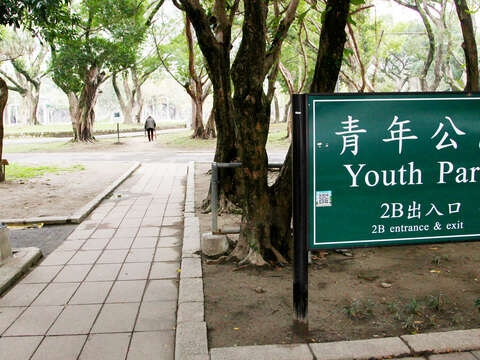
The Youth Park is spacious and has a large variety of facilities, providing the public with recreational, sports, social educational and rehabilitation facilities, enjoyed by young and old, the disabled and healthy people. To maintain the beauty of a park, besides cherishing its beautiful landscape, it requires the support and care of the public when enjoying the fruits of the construction work of the City Government.
👉 Read More
Machangding Memorial Park
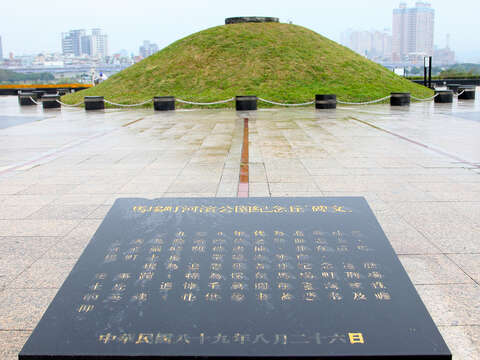
The long stairway by the riverbank is a good place to watch the sunrise. With its wide horizon, one can see the beautiful reflection of the sun on the surface of the river. On a fine weather day, you will see the morning sun slowly rising from the side of the Taipei 101 skyscraper at a distance, with the morning rays occasionally seeping through the clouds and casting glorious reflections on the Xindian River, forming a river of gold, which is truly mesmerizing.
👉 Read More
Ka-lah-a Taiwanese style izakaya
In the day time we hold exhibitions, speeches, and workshops, and only sell alcohol at night.
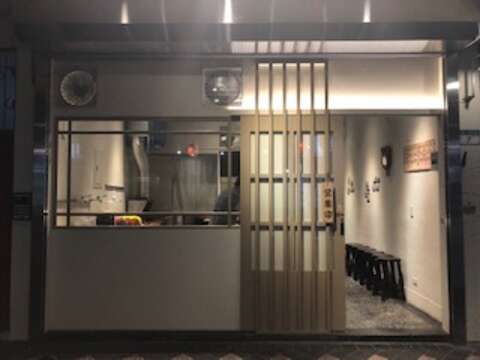
Ka-lah-a is on Gara area's Dongyuan Street in Wanhua District. The Gara area is located on the bank of the Xindian River (on Wanhua's southwest side) and extends to the south of the airport. The word "gara" comes from the Ketaglan pronunciation for "swamp." The name of the restaurant was translated from the pronunciation of that word. We grew up here, and so we chose to come back to our home to open this restaurant.
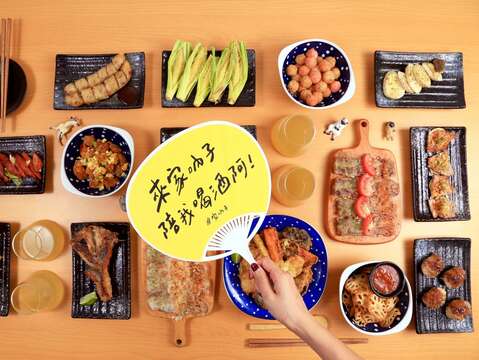
The Ka-lah-a is connected to many local stores. In addition to roasted and fried items, we also sell many local braised foods and sugar cane juice from the owner's old elementary classmate. Because we use local ingredients, we always visit the nearby central market after we close for the night. In addition to Taiwanese alcohol, we also sell Monga's specialty, the herbal tea. All foods and drinks we sell are produced in Taiwan. We do not sell sake, only sweet Taiwanese wine, beer, and plum wine. Our dishes are also based on Taiwanese flavors. We love the land we grew up on and want to use local foods and drinks to tell everyone we are proud of Taiwan.
Ka-lah-a is a community style izakay and we love mingling with the community. We hope that we can continue to live in our own homes.
Here at Ka-lah-a, we strongly believe that only by going home can we help the place where we grew up.
No matter where you are from, we welcome you to come home for a drink.
Jiaxiangway
Jiaxiangway, now in the hands of the third generation owner, is located in Wanhua Dist., Taipei City. Over the last half century, the humble roadside snack stall next to the local religious center--Guangzhao Temple--has evolved into a brand new storefront blending in design cues of a classy Japanese dining establishment. Jiaxiangway insists on using the freshest ingredients to prepare its signature dishes including braised pork rice, braised Chinese cabbage, and deep-fried tofu. The warm hospitality makes guests feel at home. Jiaxiangway received top honors at the 2017 and 2018 Taiwan Braised Pork on Rice Festival, and it has also highly praised by patrons. Jiaxiangway - The taste of home.
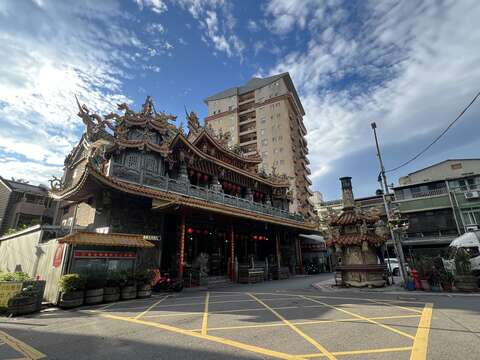
Guangzhou Temple
Established during the reign of Emperor Kang Xi of the Qing Dynasty, the Kalah Faith Center in southern Wanhua enshrines the god of medicine. Its major annual celebration event is held respectively on March 12th and September 1st (the birthday of the god of medicine) according to Chinese lunar calendar.
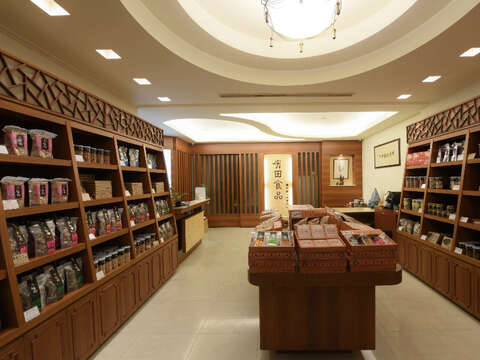
Bootien Peanut Brittle
Back in the 1960s, everyday in the early morning, Chen Yun-cheng, the first-generation owner of Bootien, went to the nearby grocery store on a bicycle to get supplies. He came home at close to noon, then he put the peanut brittles in tubs, tied them up, and stacked them one after another on a pallet truck. He then dragged them to Wanhua Railway Station to send them to other counties. Not many people know that, about fifty years ago, Mengjia was where most peanut brittle productions took place. In its heyday, ten to twenty peanut brittle production companies provided supplies to grocery stores all around Taiwan, and they satisfied the sweet tooth of adults and children.
The shops of the old Mengjia at the time would heat up stoves with wood shavings in early mornings to boil sugar. More wood shavings needed to be added into the stoves after noon, and to control the intensity of the fire, a person would need to step on them to flatten them. Chen Chin-tsun (Father Chen), the second-generation owner of Bootien, recalls the days of stoves back in his teenage years: "The residual heat would still be high when new wood shavings were being added. Every time I stepped on it, I couldn't help but do an indigenous dance. I had to tolerate it even though it was very hot. I couldn't slack off. Making the wood shavings dense by stepping on them could maintain the heat, which would allow the sugar to boil thoroughly and be even more fragrant". Maybe this is what "keeping your feet on the ground" means!
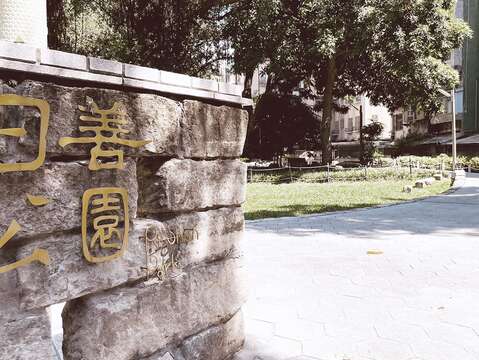
Rishan (Air Raid Shelter) Park
To the people of Taipei, Ka-la̍h is both unfamiliar and familiar. Located in southern Wanhua, Ka-la̍h is one of Taipei's earliest developed settlements and is known for its hospitality. During the Kangxi era of the Qing Dynasty, Ka-la̍h consisted of six communities, known as the “Six Villages”: Bazhangli, Houcuzai, Xiazhuangzai, Gangzaiwei, Juezaitou, and Kezaicuo. According to historical record, the soil of Ka-la̍h area was very fertile, and early settlers cultivated sugarcane, flowers, and other agricultural products. Production of jasmine and gardenia flowers, used for making scented tea, was particularly abundant. In the 1930s, after a glut of jasmine flowers, cultivation shifted to include bamboo shoots and bean sprouts, together known locally as the “Three Treasures of Ka-la̍h”.
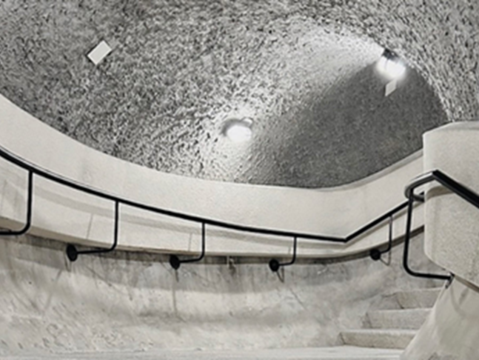
As time passed and industries evolved, the farmland disappeared, leaving only remnants within Rishan Park's natural landscapes. Stepping into the park feels like entering a microcosm of Ka-la̍h history. During the Second World War, Taiwan became a target of Allied air raids. Between 1944 and 1945, around 15,900 air sorties were made and around 120,000 bombs dropped. Older residents recall how locals would make dummy airplanes out of bamboo to deceive the American forces.
In the early post-war period, the aircraft were relocated to what is now National Taipei University of Technology, and the park set about preserving remnants of Japanese colonial era culture, including stone walls and ruined air raid shelters from the Second World War. In light of the wartime air raids, these historical relics are even more precious. While the park has been transformed into a green leisure space, its historical content add a fascinating dimension to the texture of the Ka-la̍h area.
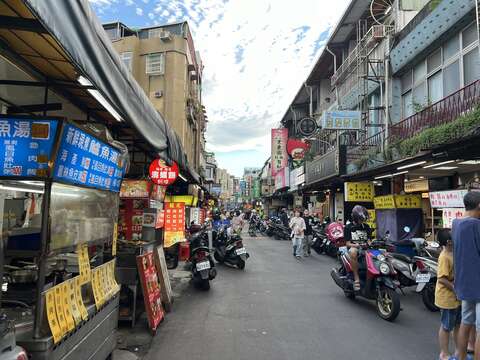
Fuxingkou Night Market
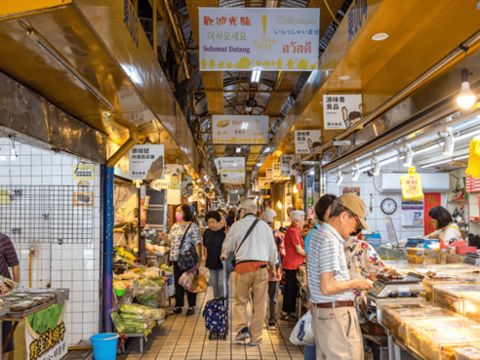
Fuxingkou Night Market is packed with everything from nostalgic desserts and crispy fried snacks to unique local eats. With long-standing vendors, authentic flavors, and affordable prices, it's a favorite spot for locals to grab dinner after work or enjoy a leisurely weekend stroll.
Youth Park
The Youth Park is spacious and has a large variety of facilities, providing the public with recreational, sports, social educational and rehabilitation facilities, enjoyed by young and old, the disabled and healthy people. To maintain the beauty of a park, besides cherishing its beautiful landscape, it requires the support and care of the public when enjoying the fruits of the construction work of the City Government.
👉 Read More
Machangding Memorial Park
The long stairway by the riverbank is a good place to watch the sunrise. With its wide horizon, one can see the beautiful reflection of the sun on the surface of the river. On a fine weather day, you will see the morning sun slowly rising from the side of the Taipei 101 skyscraper at a distance, with the morning rays occasionally seeping through the clouds and casting glorious reflections on the Xindian River, forming a river of gold, which is truly mesmerizing.
👉 Read More
Ka-lah-a Taiwanese style izakaya
In the day time we hold exhibitions, speeches, and workshops, and only sell alcohol at night.
Ka-lah-a is on Gara area's Dongyuan Street in Wanhua District. The Gara area is located on the bank of the Xindian River (on Wanhua's southwest side) and extends to the south of the airport. The word "gara" comes from the Ketaglan pronunciation for "swamp." The name of the restaurant was translated from the pronunciation of that word. We grew up here, and so we chose to come back to our home to open this restaurant.
The Ka-lah-a is connected to many local stores. In addition to roasted and fried items, we also sell many local braised foods and sugar cane juice from the owner's old elementary classmate. Because we use local ingredients, we always visit the nearby central market after we close for the night. In addition to Taiwanese alcohol, we also sell Monga's specialty, the herbal tea. All foods and drinks we sell are produced in Taiwan. We do not sell sake, only sweet Taiwanese wine, beer, and plum wine. Our dishes are also based on Taiwanese flavors. We love the land we grew up on and want to use local foods and drinks to tell everyone we are proud of Taiwan.
Ka-lah-a is a community style izakay and we love mingling with the community. We hope that we can continue to live in our own homes.
Here at Ka-lah-a, we strongly believe that only by going home can we help the place where we grew up.
No matter where you are from, we welcome you to come home for a drink.
Jiaxiangway
Jiaxiangway, now in the hands of the third generation owner, is located in Wanhua Dist., Taipei City. Over the last half century, the humble roadside snack stall next to the local religious center--Guangzhao Temple--has evolved into a brand new storefront blending in design cues of a classy Japanese dining establishment. Jiaxiangway insists on using the freshest ingredients to prepare its signature dishes including braised pork rice, braised Chinese cabbage, and deep-fried tofu. The warm hospitality makes guests feel at home. Jiaxiangway received top honors at the 2017 and 2018 Taiwan Braised Pork on Rice Festival, and it has also highly praised by patrons. Jiaxiangway - The taste of home.
Guangzhou Temple
Established during the reign of Emperor Kang Xi of the Qing Dynasty, the Kalah Faith Center in southern Wanhua enshrines the god of medicine. Its major annual celebration event is held respectively on March 12th and September 1st (the birthday of the god of medicine) according to Chinese lunar calendar.
Bootien Peanut Brittle
Back in the 1960s, everyday in the early morning, Chen Yun-cheng, the first-generation owner of Bootien, went to the nearby grocery store on a bicycle to get supplies. He came home at close to noon, then he put the peanut brittles in tubs, tied them up, and stacked them one after another on a pallet truck. He then dragged them to Wanhua Railway Station to send them to other counties. Not many people know that, about fifty years ago, Mengjia was where most peanut brittle productions took place. In its heyday, ten to twenty peanut brittle production companies provided supplies to grocery stores all around Taiwan, and they satisfied the sweet tooth of adults and children.
The shops of the old Mengjia at the time would heat up stoves with wood shavings in early mornings to boil sugar. More wood shavings needed to be added into the stoves after noon, and to control the intensity of the fire, a person would need to step on them to flatten them. Chen Chin-tsun (Father Chen), the second-generation owner of Bootien, recalls the days of stoves back in his teenage years: "The residual heat would still be high when new wood shavings were being added. Every time I stepped on it, I couldn't help but do an indigenous dance. I had to tolerate it even though it was very hot. I couldn't slack off. Making the wood shavings dense by stepping on them could maintain the heat, which would allow the sugar to boil thoroughly and be even more fragrant". Maybe this is what "keeping your feet on the ground" means!
Rishan (Air Raid Shelter) Park
To the people of Taipei, Ka-la̍h is both unfamiliar and familiar. Located in southern Wanhua, Ka-la̍h is one of Taipei's earliest developed settlements and is known for its hospitality. During the Kangxi era of the Qing Dynasty, Ka-la̍h consisted of six communities, known as the “Six Villages”: Bazhangli, Houcuzai, Xiazhuangzai, Gangzaiwei, Juezaitou, and Kezaicuo. According to historical record, the soil of Ka-la̍h area was very fertile, and early settlers cultivated sugarcane, flowers, and other agricultural products. Production of jasmine and gardenia flowers, used for making scented tea, was particularly abundant. In the 1930s, after a glut of jasmine flowers, cultivation shifted to include bamboo shoots and bean sprouts, together known locally as the “Three Treasures of Ka-la̍h”.
As time passed and industries evolved, the farmland disappeared, leaving only remnants within Rishan Park's natural landscapes. Stepping into the park feels like entering a microcosm of Ka-la̍h history. During the Second World War, Taiwan became a target of Allied air raids. Between 1944 and 1945, around 15,900 air sorties were made and around 120,000 bombs dropped. Older residents recall how locals would make dummy airplanes out of bamboo to deceive the American forces.
In the early post-war period, the aircraft were relocated to what is now National Taipei University of Technology, and the park set about preserving remnants of Japanese colonial era culture, including stone walls and ruined air raid shelters from the Second World War. In light of the wartime air raids, these historical relics are even more precious. While the park has been transformed into a green leisure space, its historical content add a fascinating dimension to the texture of the Ka-la̍h area.
Fuxingkou Night Market
Fuxingkou Night Market is packed with everything from nostalgic desserts and crispy fried snacks to unique local eats. With long-standing vendors, authentic flavors, and affordable prices, it's a favorite spot for locals to grab dinner after work or enjoy a leisurely weekend stroll.
- Day 1
Day 1