 What’s on the Menu? Uncovering the Diet of Eurasian Otters from Kinmen
Post date:2026-06-09
Updates:2026-06-09
215
Can Eurasian otter scat reveal hidden insights into their survival? Taipei Zoo's research team has been tracking the elusive Eurasian otter population in Kinmen for years. As these nocturnal and elusive animals are rarely observed directly, researchers rely on collecting their scat. By analyzing these samples, they can gather valuable information on individual distribution and habitat use, while also identifying prey remains to uncover the otters’ daily diet. As the last Wednesday of May marks World Otter Day, Taipei Zoo invites the public to visit otters at the zoo and learn more about the survival challenges faced by their wild counterparts.

The Eurasian otter (Lutra lutra) is listed as Critically Endangered (CR) in Taiwan's Red List and is legally protected as a Category I Endangered Species under the Wildlife Conservation Act. Currently, its wild population in Taiwan is limited to Kinmen. However, the species faces multiple threats, including human disturbance, attacks by free-roaming animals, road mortality, and habitat fragmentation, all of which have led to a steady decline in available habitat. In recent years, organizations such as the Kinmen National Park Administration, Kinmen County Government, Kinmen Wildlife Rescue and Conservation Association, and Taipei Zoo have accumulated extensive experience in rescue, medical care, and captive husbandry. At the same time, research teams and local NGOs have deployed trail cameras across various habitats, capturing valuable footage of otter activity. In addition to its ex-situ conservation efforts, Taipei Zoo began applying molecular techniques a decade ago, under the guidance of Professor Li Ling-ling of National Taiwan University, to monitor individual otter distribution. Since 2016, the zoo's research team has conducted annual field surveys in Kinmen, collecting fresh scat samples and bringing them back to the zoo's molecular laboratory for analysis. These efforts have helped establish baseline data on population dynamics and gradually piece together the ecological profile of Kinmen's Eurasian otters.
Tracking Eurasian otters—nocturnal, highly secretive, and adept swimmers—is extremely challenging. Fortunately, their habit of marking territory with feces allows researchers to collect samples with minimal disturbance. Fresh otter scat is typically dark, emits a strong fishy odor, and often contains visible fish scales and bones. However, visual inspection alone provides only limited dietary information. With long-term support from Kinmen National Park since 2020, researchers have been able to continuously monitor population trends and survival needs. Through DNA sequencing of scat samples, scientists can build individual identity databases and identify prey species from genetic traces. This enables the construction of a comprehensive dietary profile, offering insights into how the population survives and adapts in the wild.
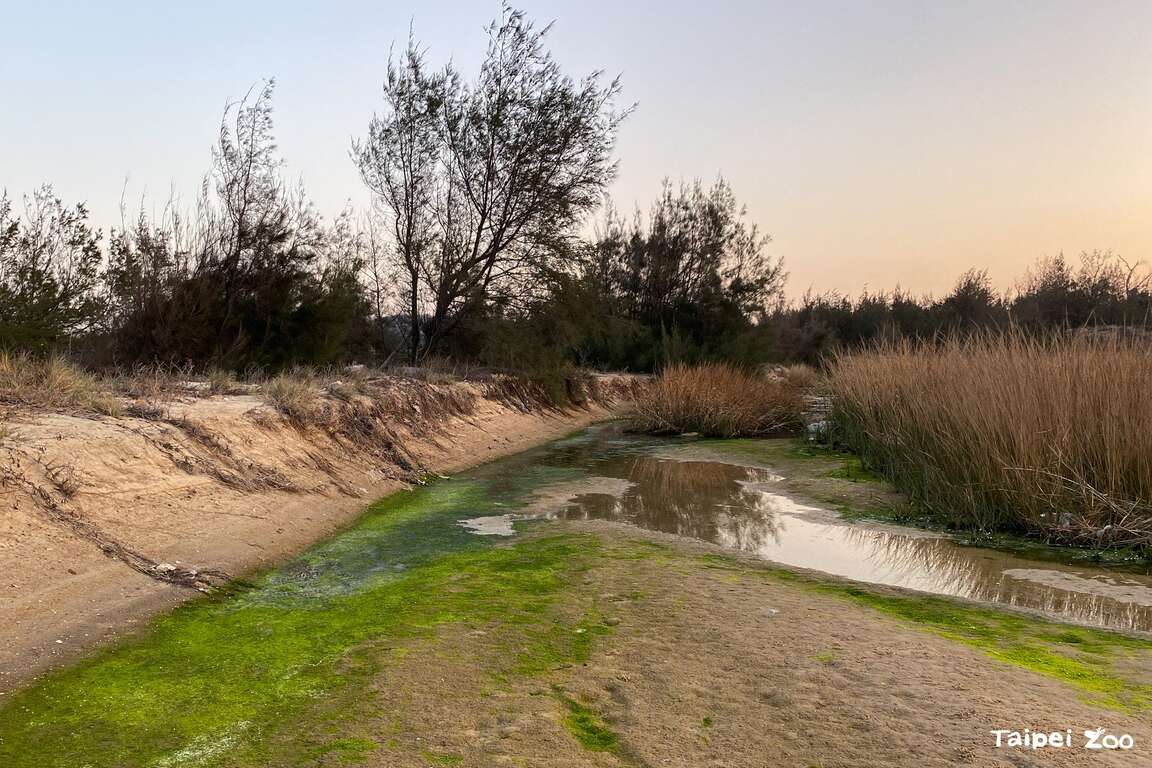
Although a variety of prey—including fish, shrimp, crabs, waterbirds, water snakes, and frogs—have been recorded in the otters’ diet, fish make up the majority of their daily intake. Common freshwater species include tilapia, crucian carp, common carp, snakehead, and eels, while estuarine and marine species such as mullet and swamp eels catfish are also consumed. Notably, tilapia species appear with particularly high frequency, occurring in over 70% of scat samples collected in Kinmen. Originally native to Africa, these invasive fish have proliferated widely in Taiwan’s freshwater ecosystems, posing significant threats to native species. In Kinmen, however, they have become a primary food source for Eurasian otters. This heavy reliance highlights a unique ecological adaptation, differing from otter populations in temperate regions that depend on more seasonal dietary shifts. While tilapia negatively impact freshwater ecosystems, they have inadvertently provided a stable food supply for this top predator.
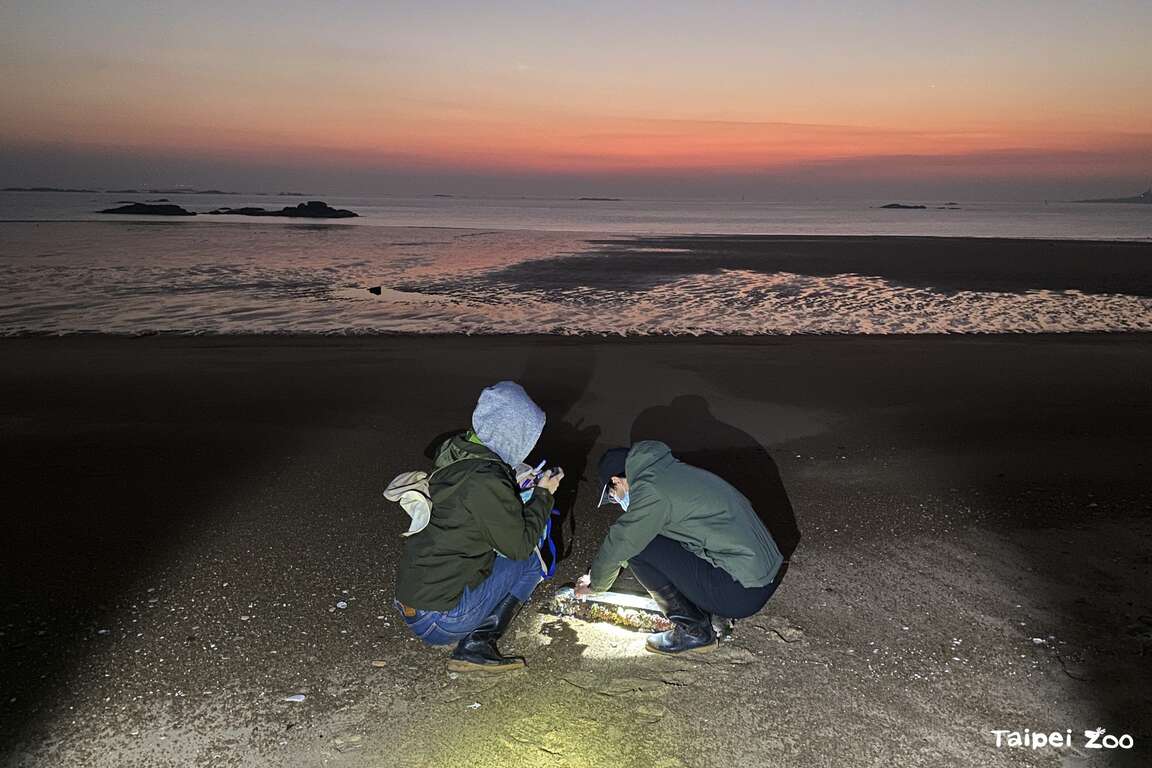
Through long-term scat analysis, researchers are able to systematically study population structure, dynamics, and feeding ecology, gaining a deeper understanding of the otters’ role within the ecosystem. Although fieldwork and laboratory analysis are both meticulous and demanding, they reveal the significant value of scat as a research resource, providing essential data for developing effective conservation strategies and ensuring the long-term survival of the species. When visiting or passing through wildlife habitats, the public is encouraged to take their trash with them, minimize disturbance, reduce driving speeds, and stay alert. By working together with conservation authorities, local governments, and NGOs, we can help safeguard the future of Eurasian otters in Kinmen.
The Eurasian otter (Lutra lutra) is listed as Critically Endangered (CR) in Taiwan's Red List and is legally protected as a Category I Endangered Species under the Wildlife Conservation Act. Currently, its wild population in Taiwan is limited to Kinmen. However, the species faces multiple threats, including human disturbance, attacks by free-roaming animals, road mortality, and habitat fragmentation, all of which have led to a steady decline in available habitat. In recent years, organizations such as the Kinmen National Park Administration, Kinmen County Government, Kinmen Wildlife Rescue and Conservation Association, and Taipei Zoo have accumulated extensive experience in rescue, medical care, and captive husbandry. At the same time, research teams and local NGOs have deployed trail cameras across various habitats, capturing valuable footage of otter activity. In addition to its ex-situ conservation efforts, Taipei Zoo began applying molecular techniques a decade ago, under the guidance of Professor Li Ling-ling of National Taiwan University, to monitor individual otter distribution. Since 2016, the zoo's research team has conducted annual field surveys in Kinmen, collecting fresh scat samples and bringing them back to the zoo's molecular laboratory for analysis. These efforts have helped establish baseline data on population dynamics and gradually piece together the ecological profile of Kinmen's Eurasian otters.
Tracking Eurasian otters—nocturnal, highly secretive, and adept swimmers—is extremely challenging. Fortunately, their habit of marking territory with feces allows researchers to collect samples with minimal disturbance. Fresh otter scat is typically dark, emits a strong fishy odor, and often contains visible fish scales and bones. However, visual inspection alone provides only limited dietary information. With long-term support from Kinmen National Park since 2020, researchers have been able to continuously monitor population trends and survival needs. Through DNA sequencing of scat samples, scientists can build individual identity databases and identify prey species from genetic traces. This enables the construction of a comprehensive dietary profile, offering insights into how the population survives and adapts in the wild.
Although a variety of prey—including fish, shrimp, crabs, waterbirds, water snakes, and frogs—have been recorded in the otters’ diet, fish make up the majority of their daily intake. Common freshwater species include tilapia, crucian carp, common carp, snakehead, and eels, while estuarine and marine species such as mullet and swamp eels catfish are also consumed. Notably, tilapia species appear with particularly high frequency, occurring in over 70% of scat samples collected in Kinmen. Originally native to Africa, these invasive fish have proliferated widely in Taiwan’s freshwater ecosystems, posing significant threats to native species. In Kinmen, however, they have become a primary food source for Eurasian otters. This heavy reliance highlights a unique ecological adaptation, differing from otter populations in temperate regions that depend on more seasonal dietary shifts. While tilapia negatively impact freshwater ecosystems, they have inadvertently provided a stable food supply for this top predator.
Through long-term scat analysis, researchers are able to systematically study population structure, dynamics, and feeding ecology, gaining a deeper understanding of the otters’ role within the ecosystem. Although fieldwork and laboratory analysis are both meticulous and demanding, they reveal the significant value of scat as a research resource, providing essential data for developing effective conservation strategies and ensuring the long-term survival of the species. When visiting or passing through wildlife habitats, the public is encouraged to take their trash with them, minimize disturbance, reduce driving speeds, and stay alert. By working together with conservation authorities, local governments, and NGOs, we can help safeguard the future of Eurasian otters in Kinmen.
Gallery


:::
Recent News
More-

"Beitou, Ready When You Are!" Department of Information and Tourism, Taipei City Government Launches Multiple Special Package Deals
46 -
Datong Plaza No.16: A Century of River Port History in Taipei
55 -
Zootopia-Themed Gondola Debuts — For a Limited Time Only!
62 -
From European-Style Garden to Ecological Oasis — Rongxing Garden Park Gets a Major Upgrade
60


