 International Day for Biological Diversity: Urban Wildlife All Around Us
Post date:2026-06-09
Updates:2026-06-09
Press bureau:Taipei Zoo
206
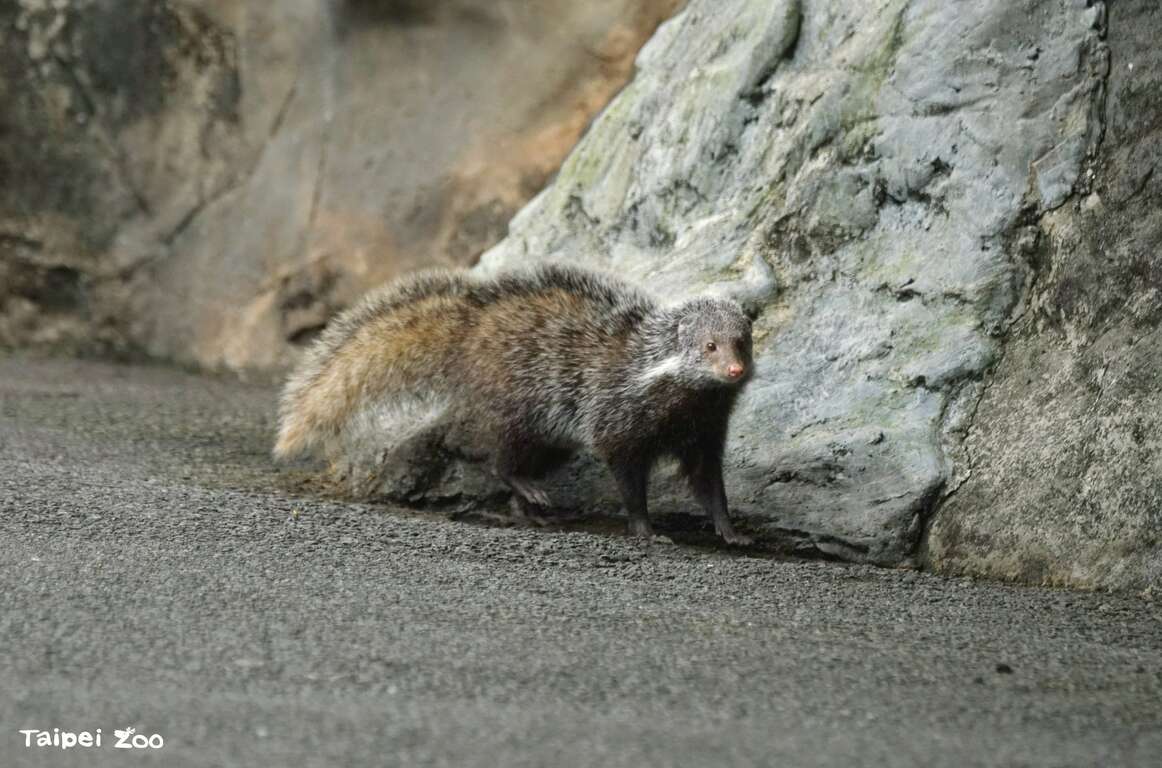
As dusk falls at Taipei Zoo and visitors leave, the forest's residents become active. Masked palm civets, crab-eating mongooses, and ferret-badgers quietly pass along the pathways. Calls of Formosan Reeves's muntjacs echo from the hillsides near service roads, while giant flying squirrels glide like shadows through the forest. Occasionally, Formosan pangolins may also be spotted. The zoo's rich environment supports a wide variety of birds, reptiles, amphibians, and invertebrates. Similar ecological resources can be found throughout Taipei City. By protecting wildlife habitats, embracing the principles of ''No Feeding, No Contact, No Disturbance,'' and sharpening our observation skills, we can discover that wildlife is actually closer than we think.
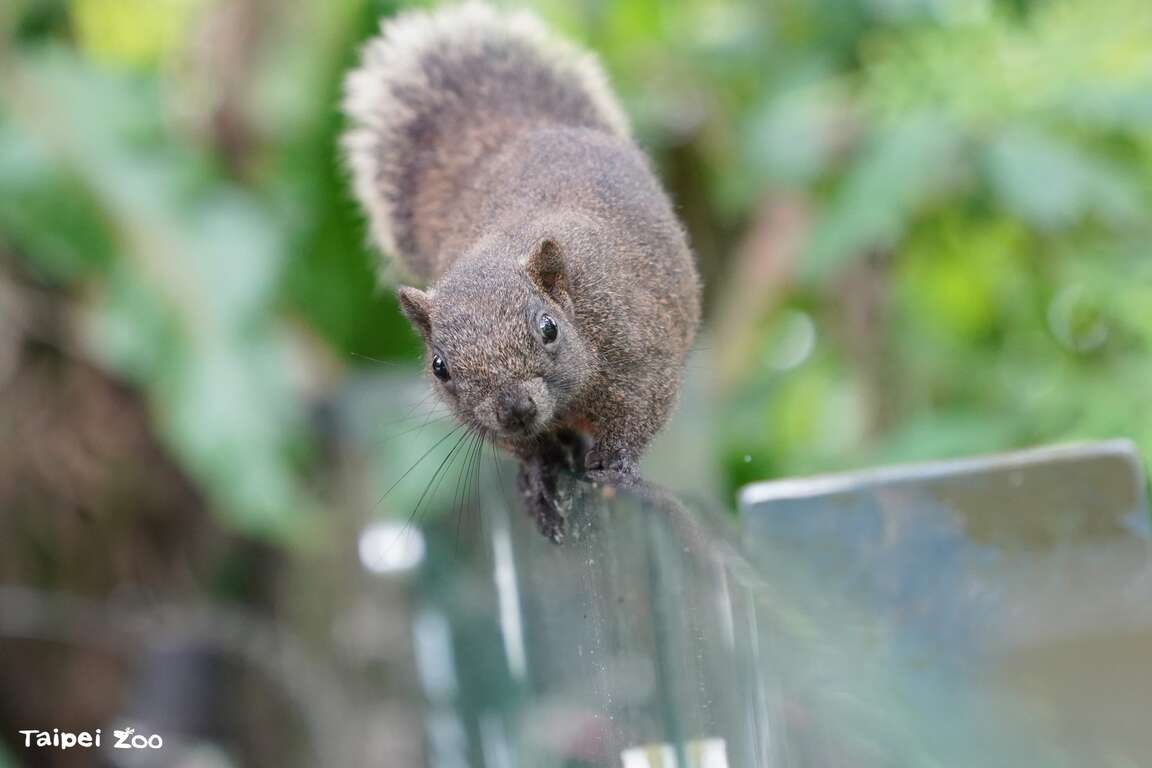
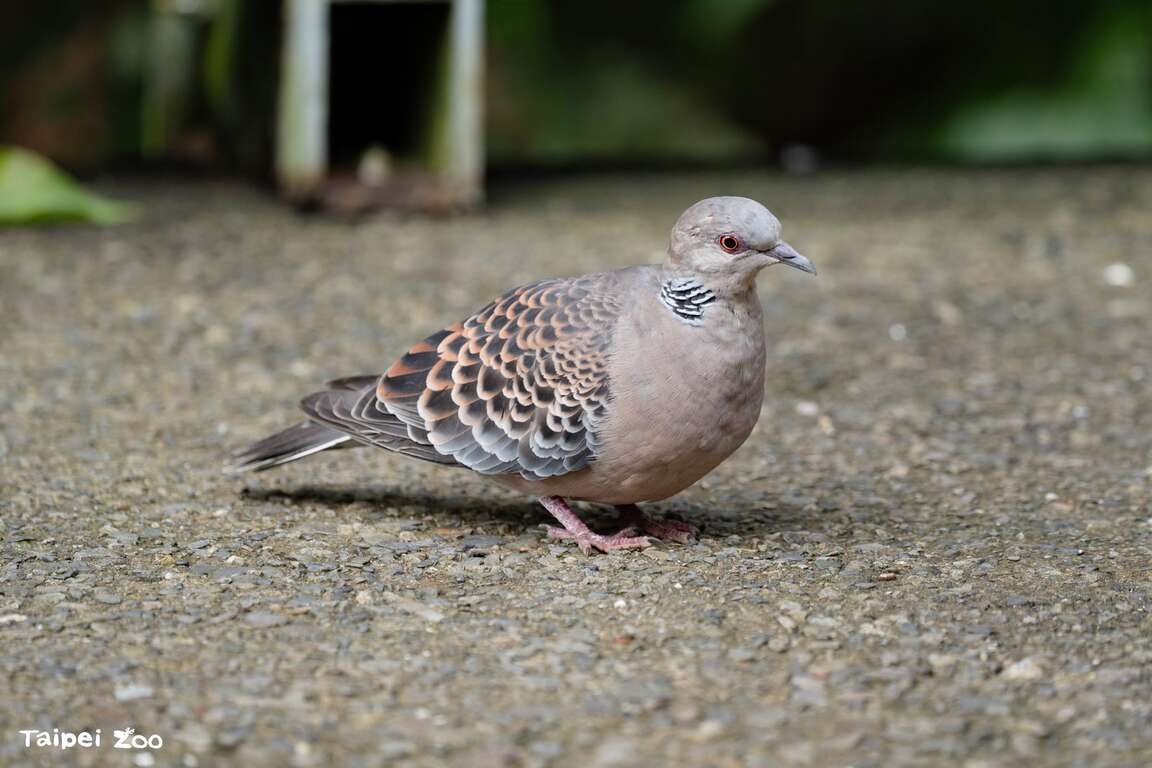
Wildlife sightings in Taipei are are commonly observed. From familiar species such as the Malayan night heron, Oriental turtle dove, cattle egret, white-breasted waterhen, and Pallas’s squirrel, to less commonly noticed animals like masked palm civets, crab-eating mongooses, Formosan pangolins, and red giant flying squirrels, these encounters are often captured by the public and shared on social media. While wildlife activity is inevitably affected by expanding human development, Taipei’s basin landscape—surrounded by hills and low-elevation forests—supports a rich natural ecosystem. Urban terrestrial and aquatic habitats are interconnected, forming ''blue-green corridors'' that wildlife can utilize. Taipei has long been home to diverse species, and its biodiversity deserves greater public attention.
To help address global biodiversity loss, this year's International Day for Biological Diversity on May 22 adopts the theme ''Acting locally for global impact.'' The theme encourages everyone to take part in and support local actions in their own way, highlighting how efforts at every level can contribute to global outcomes. It also aligns with the Kunming-Montreal Global Biodiversity Framework (2022), which outlines 23 action targets. For example, Target 2 focuses on reducing threats to biodiversity through ecosystem restoration and connectivity, while Target 12 emphasizes maintaining and connecting urban blue-green spaces for sustainable use. Both highlight the importance of protecting biodiversity in and around cities, as well as the role individuals can play.
On International Day for Biological Diversity, Taipei Zoo invites everyone to begin by getting to know the wildlife around us, appreciating the beauty and reality of biodiversity, and taking action in daily life. For example, do not feed wild or free-roaming animals. Feeding can alter natural behaviors, cause animals to lose their foraging instincts, and lead to nutritional imbalance, ultimately affecting food webs and population stability. It can also result in animal aggregation, increasing human-wildlife conflict and the risk of disease transmission. Maintaining an appropriate distance from wildlife is key to coexistence and biodiversity conservation.
Taipei Zoo will also participate in the ''2026 Taipei Education Expo'' from June 6 to June 8 at Taipei World Trade Center Hall 1. At the Lifelong Learning Exhibition Area, the zoo will host an insect exploration booth, inviting visitors to discover the natural world from an insect's perspective. Through diverse, cross-generational educational activities, the zoo aims to share the wonders of biodiversity and promote lifelong learning.
Wildlife sightings in Taipei are are commonly observed. From familiar species such as the Malayan night heron, Oriental turtle dove, cattle egret, white-breasted waterhen, and Pallas’s squirrel, to less commonly noticed animals like masked palm civets, crab-eating mongooses, Formosan pangolins, and red giant flying squirrels, these encounters are often captured by the public and shared on social media. While wildlife activity is inevitably affected by expanding human development, Taipei’s basin landscape—surrounded by hills and low-elevation forests—supports a rich natural ecosystem. Urban terrestrial and aquatic habitats are interconnected, forming ''blue-green corridors'' that wildlife can utilize. Taipei has long been home to diverse species, and its biodiversity deserves greater public attention.
To help address global biodiversity loss, this year's International Day for Biological Diversity on May 22 adopts the theme ''Acting locally for global impact.'' The theme encourages everyone to take part in and support local actions in their own way, highlighting how efforts at every level can contribute to global outcomes. It also aligns with the Kunming-Montreal Global Biodiversity Framework (2022), which outlines 23 action targets. For example, Target 2 focuses on reducing threats to biodiversity through ecosystem restoration and connectivity, while Target 12 emphasizes maintaining and connecting urban blue-green spaces for sustainable use. Both highlight the importance of protecting biodiversity in and around cities, as well as the role individuals can play.
On International Day for Biological Diversity, Taipei Zoo invites everyone to begin by getting to know the wildlife around us, appreciating the beauty and reality of biodiversity, and taking action in daily life. For example, do not feed wild or free-roaming animals. Feeding can alter natural behaviors, cause animals to lose their foraging instincts, and lead to nutritional imbalance, ultimately affecting food webs and population stability. It can also result in animal aggregation, increasing human-wildlife conflict and the risk of disease transmission. Maintaining an appropriate distance from wildlife is key to coexistence and biodiversity conservation.
Taipei Zoo will also participate in the ''2026 Taipei Education Expo'' from June 6 to June 8 at Taipei World Trade Center Hall 1. At the Lifelong Learning Exhibition Area, the zoo will host an insect exploration booth, inviting visitors to discover the natural world from an insect's perspective. Through diverse, cross-generational educational activities, the zoo aims to share the wonders of biodiversity and promote lifelong learning.
Gallery


:::
Recent News
More-

Datong Plaza No.16: A Century of River Port History in Taipei
56 -
Zootopia-Themed Gondola Debuts — For a Limited Time Only!
62 -
From European-Style Garden to Ecological Oasis — Rongxing Garden Park Gets a Major Upgrade
60 -
Malayan Tapir "Bintang" and Red Panda "Qianqian" Are Waiting for You at Taipei Zoo!
53


