 Let's go to Bangka Creating a Future with Tradition (TAIPEI QUARTERLY 2017 WINTER Vol.10)
Post date:2017-12-14
2669
Let’s go to Bangka
Creating a Future with Tradition
Article|Lin Yingzu
Photos|Xu Bin, Huang Jianbin
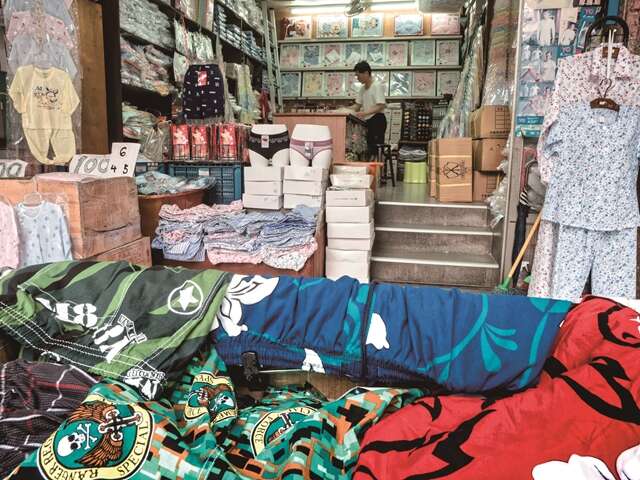
Bangka (aka. Wanhua 萬華) is one of the most famous garment wholesale districts in Taipei, with all kinds of clothing stores. You can find trendy togs and “Made in Taiwan” cotton underclothes. Furthermore, one can find tailors using patterning skills passed down from Shanghai (上海) Tang suit masters, and also many other delicate arts and crafts. Old stores and talented masters gather here, fashioning their own specialties, and standing witness to Wanhua’s development and change.
To help people learn more about Wanhua, the Taipei Office of Commerce (台北市商業處) has found and interviewed many stores and masters. It is hoped that their inspiring stories will get people’s attention and change their impressions of Wanhua.
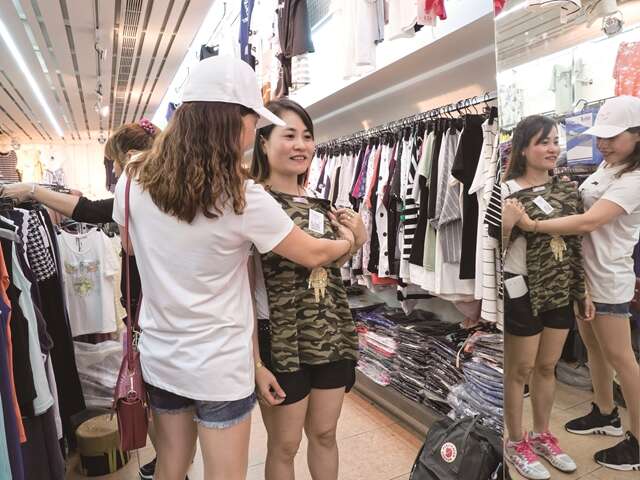
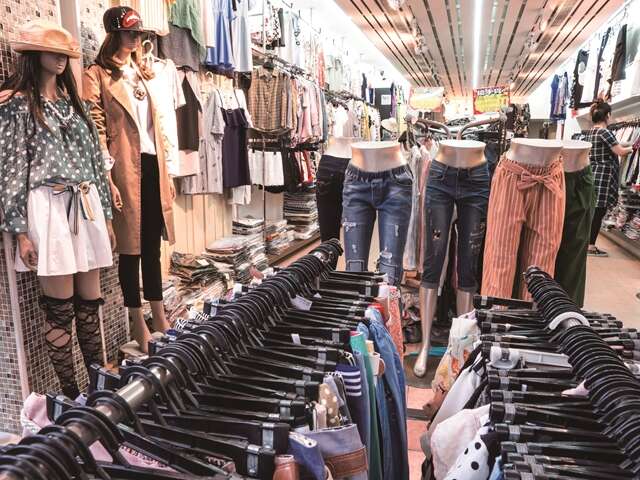
▲About 10 years ago, with the exploding popularity of Japanese and Korean dramas, Guang Sheng Yi switched to selling teenage girls’ fashions. (Photo: Xu Bin)
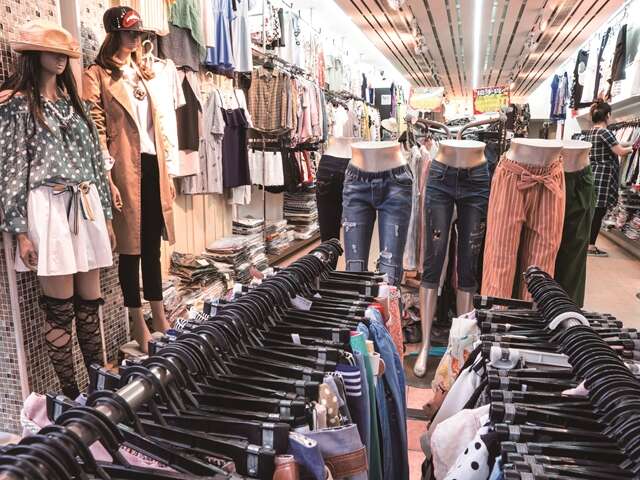
Fashion World: Garment District Keeps up with the Times
Thirty-some years ago, Dali Street (大理街) in Wanhua was the top street for clothing wholesale in Taiwan. But with the rise of the Internet and the change of consumer habits, it became a challenge for local store owners just to maintain the glamour of such a street. Founded some 40 years ago, Guang Sheng Yi (廣盛益) still attracts many customers, but its manager, Ms. Wang says that the ability to keep up with the trends is their strongest suit. “Being in the wholesale business, we need to have a better and sharper fashion sense than retailers; otherwise we’ll be washed up sooner or later!”
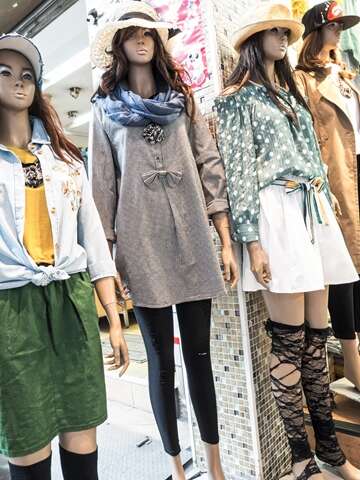
Guang Sheng Yi focuses on teenage girls’ clothing now, but in the early years, it mainly sold comfortable cotton t-shirts. About 10 years ago, due to the trends influenced by Japanese and Korean dramas, plus the amount of information available online, the store bravely switched to focusing on more fashionable clothing.
“Trends in the fashion world change rapidly, you just can’t keep a big inventory on hand. There’s not much hope of selling next year what doesn’t sell this year.” Ms. Wang says with a smile that on Dali Street, you can see clothing styles ever changing, and customers getting more and more clever. They used to shop for whatever was cheap, but now they’ve become more picky about the look. Design, shapes and how well the clothing items go together are what they look for now.
In addition to dealing with customers, placing orders with factories has become more challenging too. “Some factories simply stop supplying without warning. Even though an item might be selling well, the manufacturer might not have that fabric anymore, so they just won’t make it. We have to find another plant to produce it if we want to satisfy our customers’ needs.” Ms. Wang estimates that they work with roughly 20 factories. “Even though we’re busier this way, it’s the only way to guarantee that all items are ready to sell, and that we keep the advantage of wholesale, and not be beaten by online shopping.”
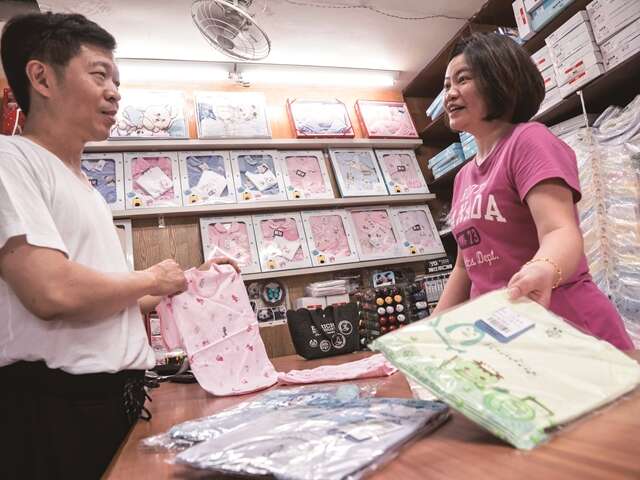
▲Focusing on underclothes and clothing for infants, Lao Wan Chang’s (老萬昌內衣行) owner, Pei Chihpeng (left) took over this old store and won his customers’ trust with good merchandise quality and service. (Photo: Xu Bin)
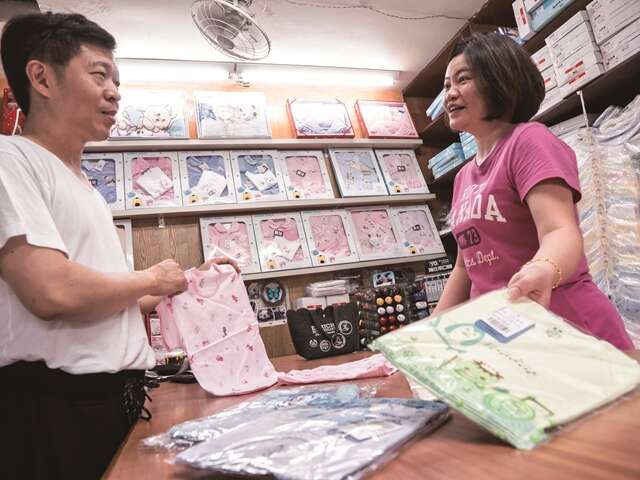
Wholesale: a Richly Human Enterprise in Old Townsite
Specializing in underclothes and babies’ clothing, Lao Wan Chang’s (老萬昌內衣行) second-generation owner, Pei Chihpeng (裴志鵬) recalls that, 48 years ago, when he started helping his father run the business, there were motorcycle and bike repair shops and pharmacies in Wanhua. Their store was near Wanhua train station, and many wholesalers came by. More and more, it was clothing stores that set up shop locally and a commercial garment district soon developed.
Pei stayed with his father’s old store and has seen the transition of this neighborhood first hand. He laughs and says that his life is just like his last name, which is a Chinese character meaning: “Must love clothing.” “I have been with this store since I was six,” he states. “I grew up and have lived here all my life.” When he was a little older, he assisted his folks at the store on holidays. He helped to organize stock, learned how to introduce merchandise to customers and developed the savoir faire necessary to handle them. Ninety percent of Lao Wan Chang’s products are made in Taiwan using high-quality soft fabric. Customers of all ages can find just the underclothes they are looking for here, and this is why this almost-half-century-old store keeps its loyal customer base.
Pei admits that Lao Wan Chang once lost its advantageous position in the face of Southeast Asia’s low-priced competition. “But Taiwan’s textile industry has always set a high standard, so after a while, customers still come back to us. Even people living overseas will make a special trip to shop at our store when they are in Taiwan.”
Insisting on product quality and keeping his promise to customers, Pei makes sure his store is closed no more than 15 days a year, counting days off for typhoons and for the Chinese New Year period. “I’m worried that when our customers come to the store and find it closed, they’ll have to make an extra trip some other day.” Pei’s words express how he cherishes and considers his customers, and ably demonstrates the sense of humanity at work in this old townsite, Wanhua.
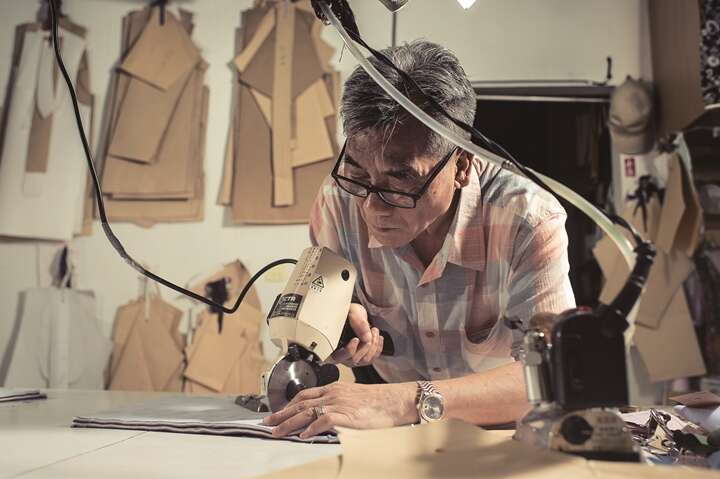
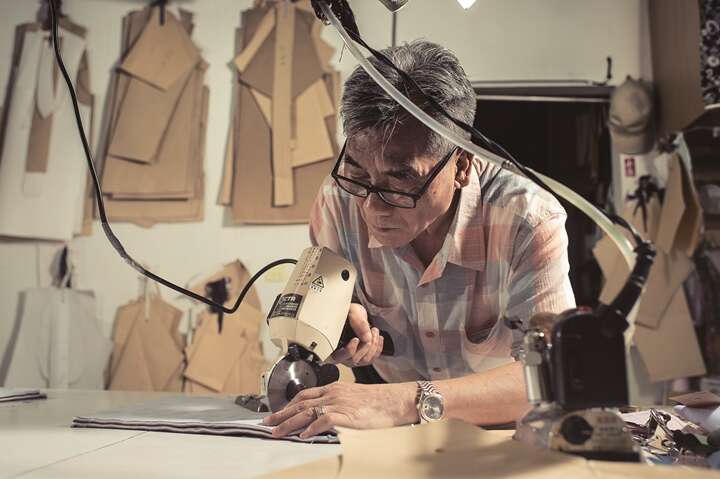
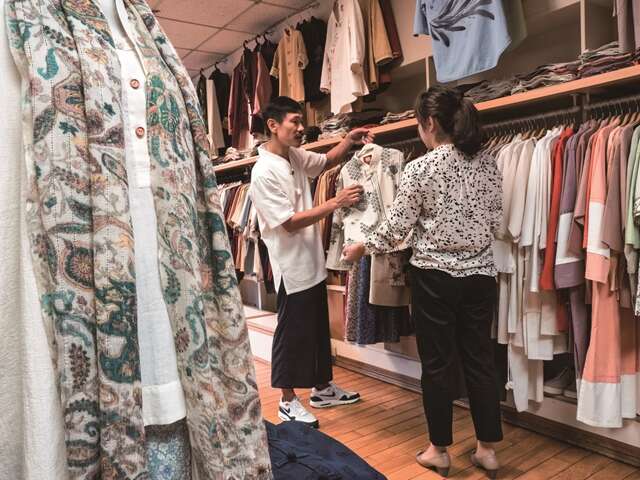
▲Tang suit pattern master, Lin Junqing has worked hard to learn how to make chi-paos since he was young. With their intricate designs, the Tang suits he makes have received praise from customers in Taiwan and overseas. (Photo: Huang Jianbin)
A Glamorous Business: Exquisite Skills Hidden in Alleys
Finding a store over 40 years old in the old town area is nothing unusual, and the masters and experts in those stores are the really fascinating treasures there. A Tang suit pattern master named Lin Junqing (林俊卿) toils hidden away at Section Nine Clothing Design (九段工坊) on Sec. 2, Heping W. Road (和平西路).
Section Nine is named for the highest level one can achieve in Taekwondo: the 9th dan black belt. The name symbolizes Lin’s exquisite skills, which have earned him the top reputation in Taiwan, with clients that include politicians and celebrities. Patterning is crucial to building traditional chi-paos and Tang suits. If a suit is patterned well, it will be comfortable and fit the wearer much better. Talking about why he chose a career in making Tang suits, Lin says, “If you want to gain a foothold in society, you need to have a professional skill.”
Lin came from a poor family which couldn’t support him in school. At age 13, he learned that a chi-pao tailor made three times the daily wage of a laborer, so he decided to apprentice with a master from Shanghai in Ximending (西門町). “The master was a Shandonger and always shouted his instructions at top volume. But his skills were second to none – a top master back then.”
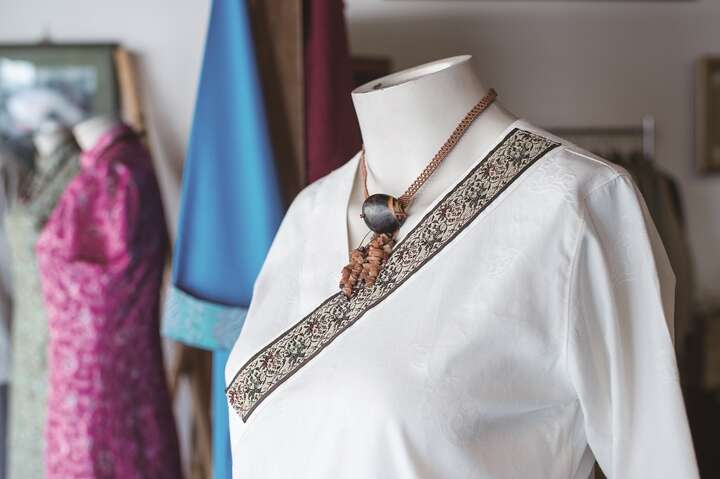
▲The Tang suits in Section Nine Clothing Design are patterned and designed by Lin himself, with styles and fabric design both traditional and innovative. (Photo: Xu Bin)
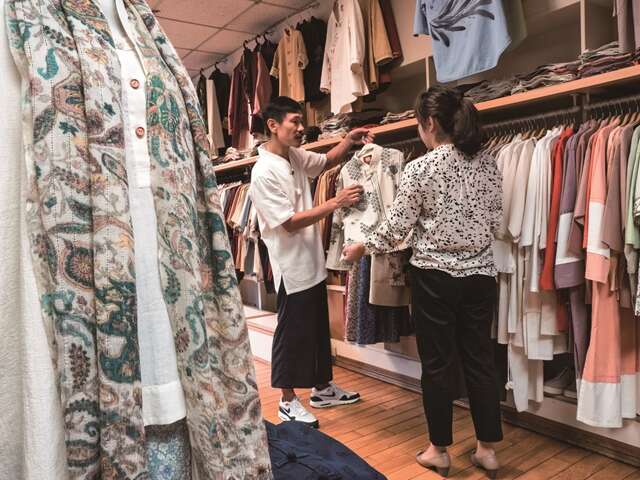
Lin started with basic button sewing, collar making and patterning, and step-by-step, he worked to become a master at age 18. With some savings, he started his own business, and with his acute business sense, he was able to zero in on the business opportunities present in the fashion market. He gave up the Tang suit career and went to work on clothing manufacture and wholesale, which made him a fortune in a short time. Lin describes: “30-odd years ago, the monthly rent for a store in Wanhua was two hundred thousand NT dollars, but our turnover could be twenty million a month!”
Then, a bad investment cost him everything. But, at this low ebb, a thought flashed through his mind: “I have my professional skills, I know patterning technique.” Just like that, he started all over again in the Tang suit business. Master Lin has always taken a firm stand about technique, and has revived this almost lost skill to make exquisite Tang suits again. By doing this, he has revised his life map once more.
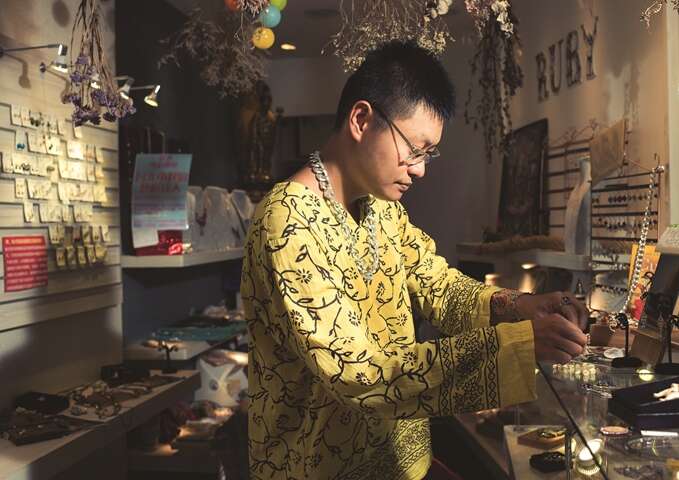
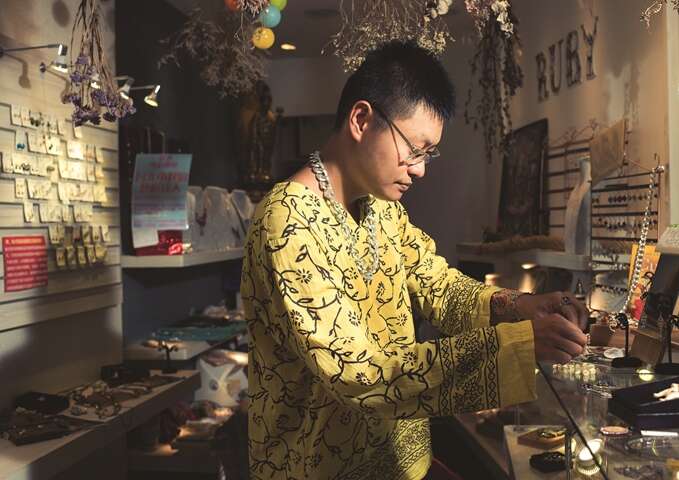
▲Guo opened his store on Huaxi Street, hoping to find inspiration for his creations from people passing by. (Photo: Huang Jianbin)
Tourism: Promoting Taiwan with Artistry
Ruby’s, an exclusive handicraft accessory store at the far end of Huaxi Street Night Market (華西街夜市), stands out from all the other old stores in Wanhua. Store owner, Guo Chenming (郭丞閔) is only 30, but his excellent skills and design taste have earned him recognition in European circles.
Guo has been obsessed by metallic luster since he was a kid, but it was a coincidence that led him to the handcraft accessory world. “When I went to school in England, I noticed that many famous brand accessories were manufactured in Taiwan. Such delicate and intricate products had made Taiwan one of the top manufacturers in the world. When I realized that, I felt proud of being Taiwanese.”
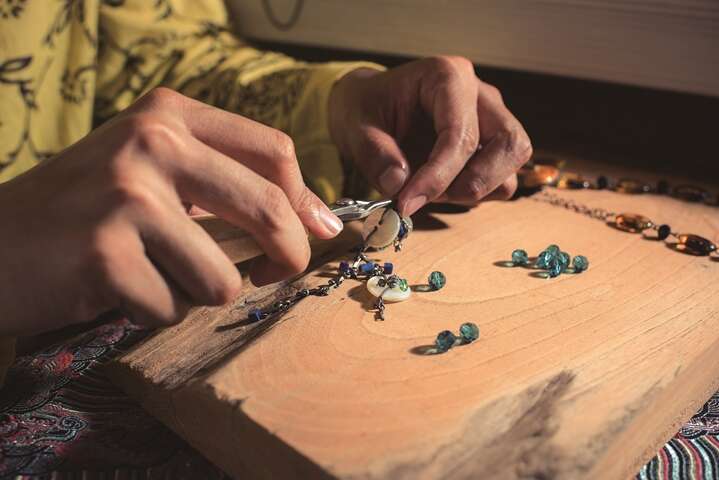
He then transferred that pride into action. After he came back to Taiwan, he decided to learn from the experienced masters who did work for international companies. “Many of them are now at retirement age, and some skills become a challenge when hands and eyes get older. So I feel I have to pass these skills on.”
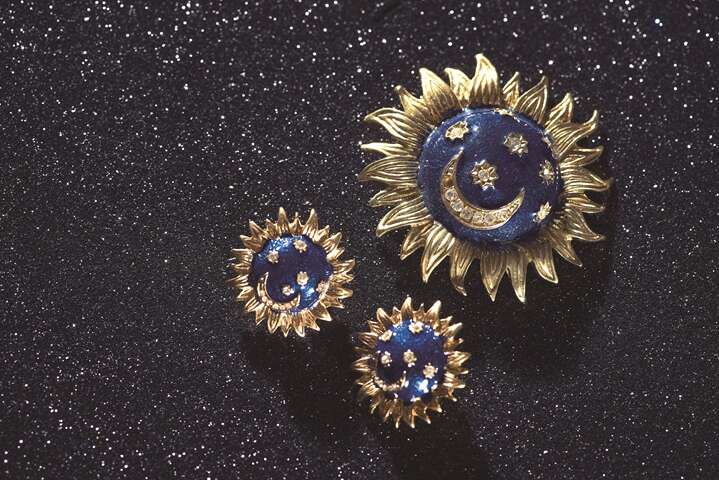
Guo always tries to bring Taiwanese elements into his designs, such as using blue and white porcelain to replace precious stones, and adding opal to make stylish earrings. He also takes the tassels common in Oriental art deco, adds a little artistic twist of his own, and produces fine arts and crafts that integrate traditional with modern. As to why choose Wanhua to open the trendy accessory store, Guo has his own opinion: “People flow into Wanhua from various places and countries. Different customers have brought me brand new creative inspirations, and widened my vision.”
Being the first developed neighborhood in Taipei, Wanhua has seen a lot of changes over time. Classic old stores carry on their traditions, and new stores produce unlimited opportunity. On the B1 level of the Lungshan Temple Underground Shopping Bazaar (龍山寺地下街), one will find fortune-tellers, masseurs and souvenir stores. On B2, the Longshan Cultural Arts B2 (艋舺龍山文創B2), takes “Cultivating local designers, artists, and creators” as its mandate and is developing local brands. In addition, people can participate in craft making, performance art and interactive workshops, and also join guided tours of the area. So many ways to explore Wanhua’s cultural and artistic world!
In you’d like to experience the glorious old times and the exquisite new age, why not pay Wanhua a visit, and enter the fabulous dream world of old Taipei.
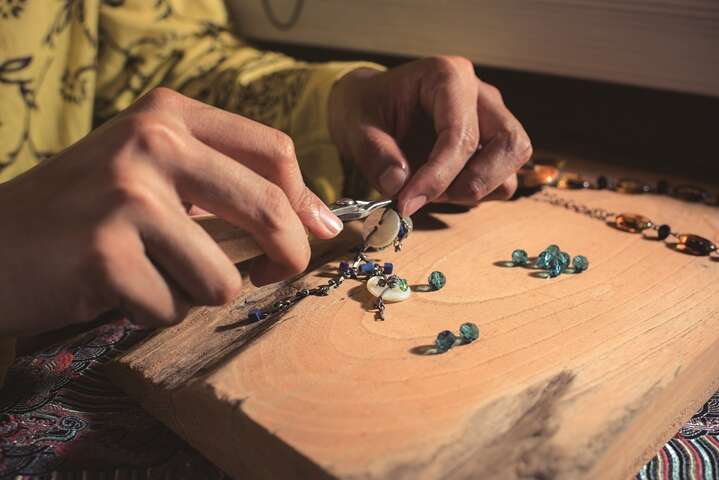
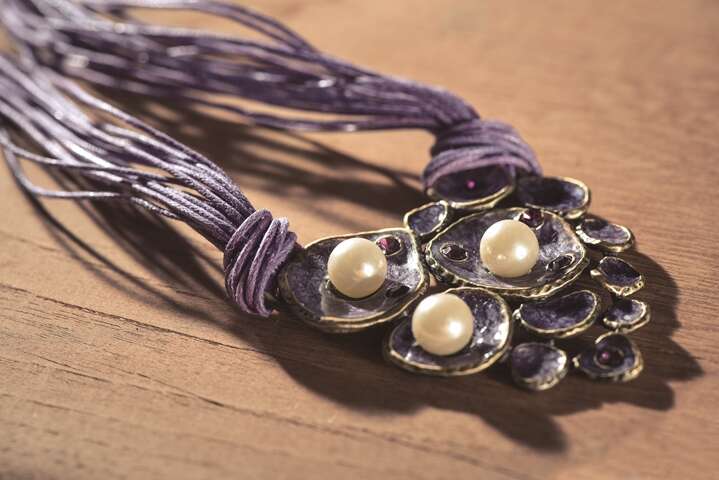
▲Guo uses his excellent skills to make uniquely-styled accessories. (Photo: Huang Jianbin)
Gallery
Popular articles
 TAIPEI QUARTERLY 2017 WINTER Vol.10
- Nature Workshop– a Dream that Brews from the Mountains Building a Bond between the Younger Generation and Native Tribes (TAIPEI QUARTERLY 2017 WINTER Vol.10)
- Bringing Taiwan and the Philippines Closer Together Angelito Banayo, Head of Taipei’s Manila Economic and Cultural Office (TAIPEI QUARTERLY 2017 WINTER Vol.10)
- Uniquely Red Floral Fabric Demonstrates the Taste and Look of Taiwanese Life! (TAIPEI QUARTERLY 2017 WINTER Vol.10)
- Conceived out of Musical DNA Delicate Violin Crafting (TAIPEI QUARTERLY 2017 WINTER Vol.10)
- Homespun Style Makes Diners Feel at Home The Nostalgia of Wafting Aromas and Savory Flavors (TAIPEI QUARTERLY 2017 WINTER Vol.10)